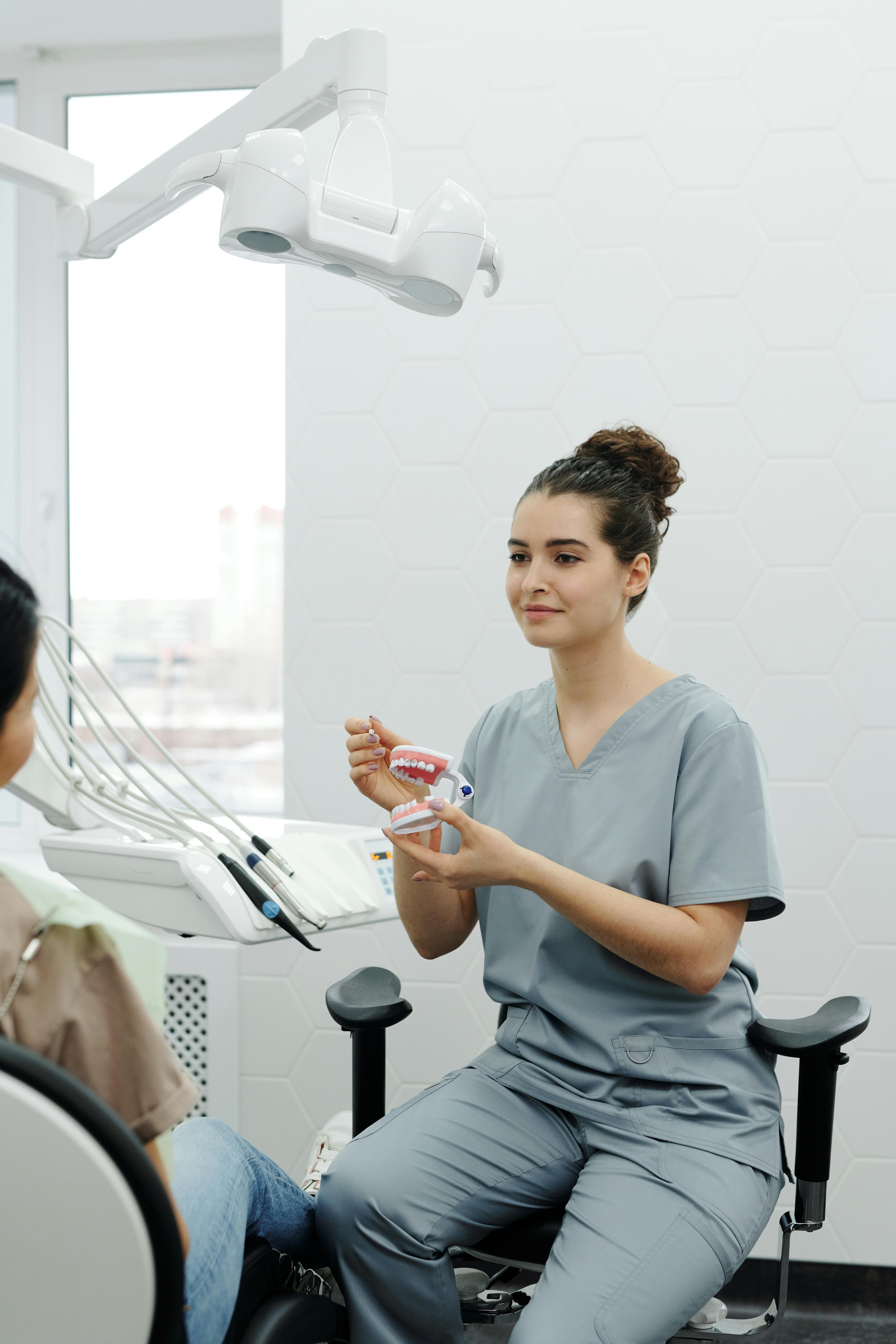

Comparing the pros and cons of clear aligners and traditional orthodontics to help you make the best choice.
Thinking about straightening your teeth? You're likely weighing two popular options: traditional metal braces and Invisalign clear aligners. Both can effectively transform your smile, but they work differently and suit different needs. Let's break down the pros and cons to help you decide.
How They Work
Traditional Braces
Metal brackets are bonded to each tooth and connected by wires. Your orthodontist periodically tightens the wires, gradually moving teeth into proper alignment. Modern braces are smaller and more comfortable than those of decades past, and options like ceramic brackets offer a less noticeable appearance.
Invisalign
A series of custom-made, clear plastic aligners gradually shift your teeth. You wear each set for about two weeks before moving to the next one. The aligners are removable for eating, drinking, and cleaning—but you need to wear them 20-22 hours per day for best results.
Comparing Key Factors
Appearance
Invisalign: Nearly invisible. Most people won't notice you're wearing aligners unless they look closely. Ideal for adults and teens concerned about aesthetics.
Braces: Visible, though ceramic brackets can be less noticeable than metal. Some people embrace braces as a fashion statement with colored bands.
Winner: Invisalign for discretion
Effectiveness
Invisalign: Excellent for mild to moderate issues like crowding, spacing, and some bite problems. May struggle with complex cases involving severe rotation, vertical movement, or significant bite correction.
Braces: Can handle virtually any orthodontic issue, no matter how complex. Often the only option for severe cases.
Winner: Braces for complex cases; tie for mild to moderate issues
"The best treatment is the one that addresses your specific needs. During a consultation, we'll evaluate your case and recommend the approach most likely to give you excellent results."
Comfort
Invisalign: Smooth plastic is generally more comfortable than metal. Some pressure and discomfort occur when switching to new aligners, but there are no sharp edges or wires to irritate your mouth.
Braces: Brackets and wires can cause irritation, especially after adjustments. Orthodontic wax helps but doesn't eliminate discomfort entirely.
Winner: Invisalign
Convenience
Invisalign: Removable for eating and special occasions. No food restrictions. Easier cleaning—just remove aligners and brush normally.
Braces: Fixed in place 24/7. Must avoid hard, sticky, and crunchy foods. Requires careful cleaning around brackets and wires.
Winner: Invisalign
Compliance Factor
Invisalign: Requires discipline. You must wear aligners 20-22 hours daily and change them on schedule. If you forget or skip wearing them, treatment stalls. Not ideal for forgetful patients or young children.
Braces: Always working because they're fixed. No compliance concerns—your orthodontic treatment continues whether you think about it or not.
Winner: Braces for those who might struggle with compliance
Treatment Time
Invisalign: Typically 6-18 months for mild to moderate cases. Complex cases may take longer or require braces instead.
Braces: Usually 18 months to 3 years, depending on complexity. Can address severe issues that might extend Invisalign treatment significantly.
Winner: Varies by case
Cost
Invisalign: Often similar to braces, typically $3,000-$8,000. Can vary based on case complexity and treatment length.
Braces: Usually $3,000-$7,000 for metal; ceramic brackets cost more. Complex cases increase the price.
Winner: Comparable; slight advantage to braces in many cases
Who Should Choose Invisalign?
Invisalign may be right for you if:
- You have mild to moderate alignment issues
- Discretion is important for professional or personal reasons
- You're disciplined about wearing aligners consistently
- You want the freedom to remove them for eating and cleaning
- You prefer fewer office visits (aligners can sometimes be changed at home)
Who Should Choose Braces?
Traditional braces may be right for you if:
- You have complex orthodontic issues
- You're concerned about compliance with removable aligners
- You're a younger patient who might lose or forget aligners
- Your case involves significant bite correction
- You want a potentially lower-cost option
Hybrid Approaches
Sometimes the best approach combines both methods. Some patients start with braces to address complex issues, then switch to Invisalign for refinement. Others use Invisalign for most of treatment with brief use of braces for specific movements.
Making Your Decision
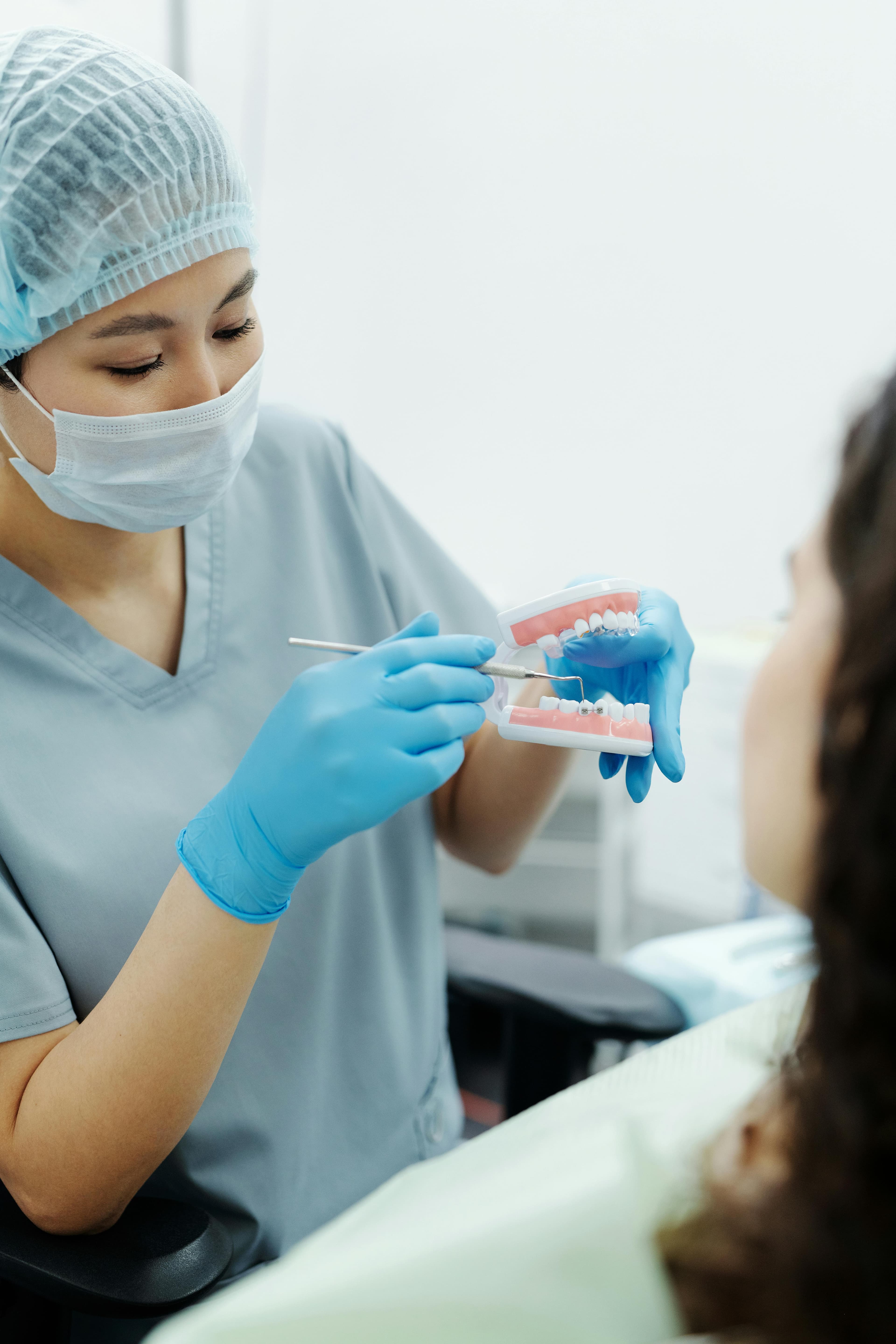
The best way to determine which option suits you is through a professional consultation. During your visit, we'll:
- Examine your teeth, bite, and jaw alignment
- Take digital scans and X-rays
- Discuss your goals and lifestyle
- Explain which options can achieve your desired results
- Provide transparent pricing for each approach
Both treatments can give you a beautiful, healthy smile. The right choice depends on your unique situation, and we're here to guide you every step of the way.
Ready to explore your options? Schedule a consultation and take the first step toward your perfect smile.