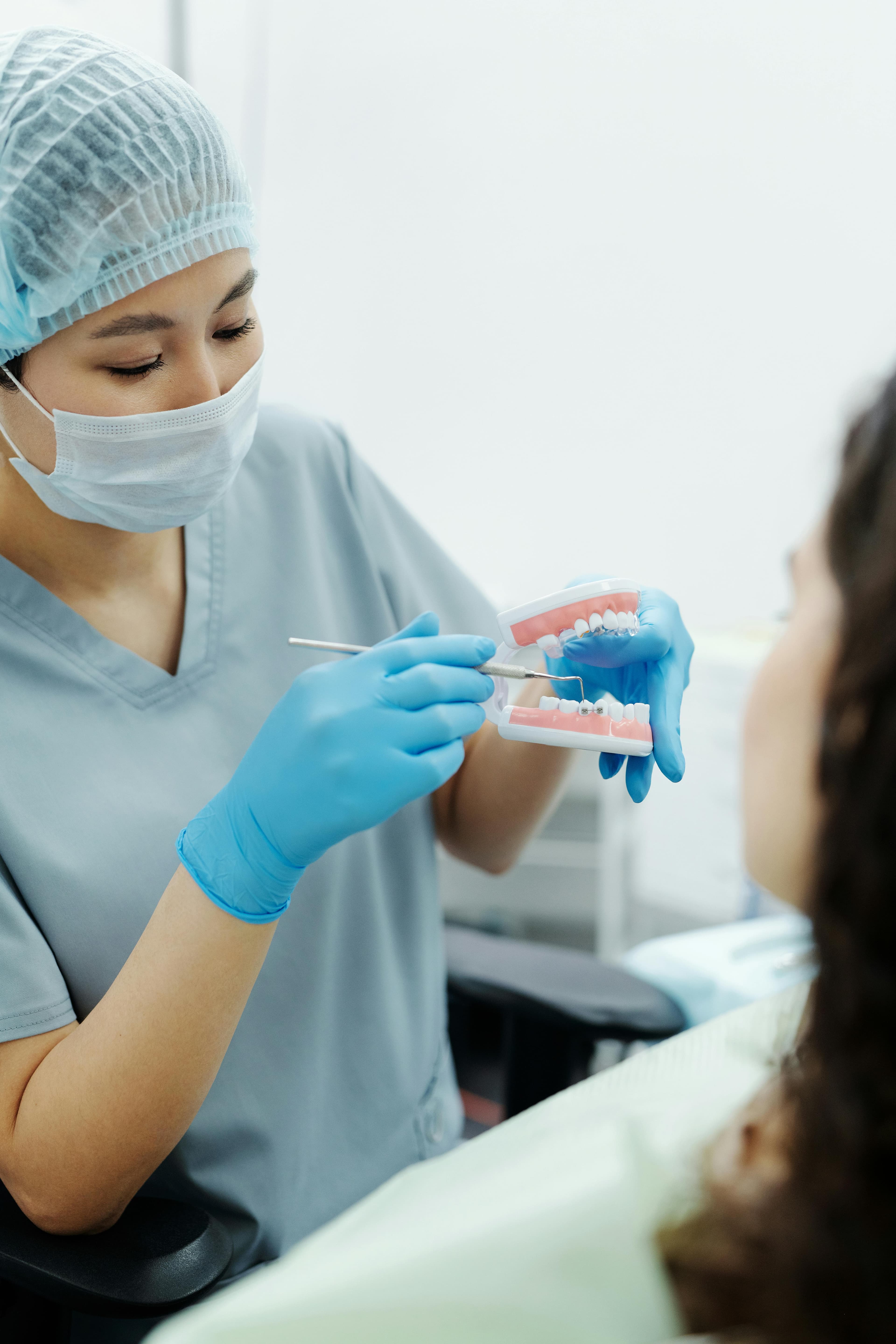

Your mouth is a window to your body's health. Discover the surprising links between dental care and systemic health.
When most people think about dental care, they think about preventing cavities and keeping their teeth white. But the importance of oral health extends far beyond your mouth. Research increasingly shows that the health of your teeth and gums is deeply connected to your overall physical health.
The Mouth-Body Connection
Your mouth is home to over 700 species of bacteria. Most are harmless, and good oral hygiene keeps them in balance. But when bacteria accumulate due to poor dental care, they can cause inflammation and infection—and those problems don't stay contained in your mouth.
Bacteria and inflammatory compounds can enter your bloodstream through infected gums, traveling throughout your body and contributing to systemic health issues.
Oral Health and Heart Disease
The connection between gum disease and heart disease is one of the most studied links in oral-systemic health. Research shows that people with periodontal disease are nearly twice as likely to have coronary artery disease.
How are they connected?
- Bacteria from infected gums can enter the bloodstream and attach to fatty plaques in arteries
- Chronic inflammation from gum disease contributes to inflammation throughout the body, including in blood vessels
- Both conditions share common risk factors like smoking and diabetes
"Taking care of your gums isn't just about preventing tooth loss—it's about protecting your heart."
While more research is needed to understand the exact mechanisms, the message is clear: healthy gums matter for heart health.
Diabetes: A Two-Way Street
The relationship between diabetes and oral health goes both directions:
Diabetes affects oral health:
- High blood sugar increases glucose in saliva, feeding harmful bacteria
- Diabetes impairs blood flow to gums, slowing healing
- People with diabetes are more susceptible to infections, including gum disease
Oral health affects diabetes:
- Severe gum disease can raise blood sugar, making diabetes harder to control
- The inflammation from periodontal disease may increase insulin resistance
- Treating gum disease has been shown to improve blood sugar control in some diabetic patients
If you have diabetes, excellent oral hygiene and regular dental visits are essential parts of managing your condition.
Respiratory Health
Your mouth is the entry point to your respiratory system. Oral bacteria can be aspirated into the lungs, particularly in people with swallowing difficulties or weakened immune systems.
This can contribute to:
- Pneumonia, especially in elderly or hospitalized patients
- Worsening of chronic conditions like COPD
- Respiratory infections
Good oral hygiene is particularly important for elderly individuals and those in healthcare settings.
Pregnancy and Oral Health
Hormonal changes during pregnancy can increase the risk of gum disease, a condition sometimes called "pregnancy gingivitis." But the concerns go beyond discomfort:
- Periodontal disease has been linked to premature birth and low birth weight
- Bacteria from the mother's mouth can be transmitted to the baby after birth
- Dental infections during pregnancy can be difficult to treat safely
Pregnant women should maintain regular dental care and pay extra attention to gum health.
Cognitive Function
Emerging research suggests connections between oral health and cognitive function:
- Some studies link periodontal disease to increased risk of Alzheimer's disease
- Bacteria associated with gum disease have been found in the brains of Alzheimer's patients
- Chronic inflammation from oral disease may contribute to neuroinflammation
While this research is still developing, it adds another reason to prioritize oral health throughout your life.
Other Systemic Connections
Research continues to explore links between oral health and:
Rheumatoid Arthritis The same bacteria that cause gum disease may trigger or worsen joint inflammation.
Kidney Disease People with gum disease are more likely to have chronic kidney disease.
Certain Cancers Some studies suggest associations between gum disease and increased risk of certain cancers, though more research is needed.
What You Can Do
The good news is that protecting your oral health is within your control:
Daily Habits
- Brush twice daily for two minutes with fluoride toothpaste
- Floss daily to remove bacteria between teeth
- Limit sugary and acidic foods and drinks
- Don't smoke or use tobacco products
Regular Professional Care
- Visit the dentist every six months for cleanings and exams
- Don't delay treatment for gum disease or decay
- Discuss any changes in your overall health with your dentist
Watch for Warning Signs
- Bleeding gums when brushing or flossing
- Persistent bad breath
- Red, swollen, or tender gums
- Loose teeth
- Receding gums
If you notice any of these symptoms, schedule a dental appointment promptly.
A Holistic Approach to Health
Your mouth isn't separate from your body—it's an integral part of your overall health system. The same healthy lifestyle choices that protect your heart, manage diabetes, and support your immune system also promote oral health: a nutritious diet, regular exercise, adequate sleep, stress management, and avoiding tobacco.
By taking care of your mouth, you're taking care of your whole body. And that's something worth smiling about.